Searching for safe places to eat gluten-free in Brick shouldn't feel like a gamble. You've been burned before: cross-contamination at chains, vague answers from servers, and menus with one sad salad option while everyone else eats real food. You deserve better.
What makes a restaurant gluten-friendly in Brick, NJ? Gluten-friendly restaurants in Brick hand-prepare food to order, offer ingredient-transparent menus, and use separate prep surfaces when requested. Look for kitchens that hand-bread chicken or smash burgers fresh so you know exactly what's in your meal and can request modifications safely.
This guide walks you through what truly gluten-conscious kitchens look like, what to ask when you order, and where Brick's fast-casual scene stands out from the chains. Finding a spot where you can eat confidently and the rest of your group can order freely starts with knowing what to look for. Explore the local dining scene in Brick and let's break down what separates genuine dietary accommodations from PDF allergen menus.
By Buzz Bird
What Makes a Restaurant Truly Gluten-Friendly
Not all gluten-free claims are created equal. A chain restaurant with a PDF allergen menu isn't the same as a kitchen that actually understands cross-contamination risks and can adapt on the fly.
True gluten-friendly operations do three things consistently. First, they use separate prep surfaces and utensils when you request them. Shared cutting boards, fryers, and grills introduce gluten even when your food starts out safe. Second, they know their ingredients. Hand-prepared kitchens can tell you exactly what's in every sauce, seasoning blend, and coating because they made it. Pre-packaged, frozen items hide ingredients in proprietary blends that even staff can't decode. Third, they train their team to take dietary restrictions seriously. When a server says "let me check with the kitchen" instead of guessing, that's a green flag.
The FDA defines gluten-free as containing less than 20 parts per million of gluten. Restaurants that understand this threshold know how to keep your meal under it. Cross-contact during prep is the biggest risk. A fryer that cooks breaded chicken and then cooks your fries contaminates the oil. A grill that sears a burger bun and then cooks your bunless patty transfers gluten to the meat. Ask if the kitchen has dedicated equipment or if they can use fresh surfaces and tools.
Ingredient transparency separates gluten-conscious spots from those just checking a box. When a restaurant makes sauces in-house, hand-breads proteins, and preps sides from whole ingredients, they control what goes into your food. Frozen, pre-sauced, or pre-battered items come with ingredient lists the restaurant didn't write and can't guarantee.
Staff training matters as much as kitchen protocols. A well-trained team asks follow-up questions when you mention gluten sensitivity. They know which menu items are naturally gluten-free, which can be modified, and which carry unavoidable cross-contact risk. They don't promise what they can't deliver.
The guest who searches for gluten-friendly restaurants in Brick isn't just ordering for themselves. They're choosing where a whole group eats. One gluten-conscious diner typically brings three or four friends or family members. A restaurant that gets dietary accommodations right doesn't just win one order. It wins the table. That's high-conversion efficiency: the person managing celiac disease or gluten sensitivity is highly motivated, researching carefully, and bringing a group along once they find a spot they trust.
Look for kitchens that show their work. Open prep areas, visible cooking stations, and menus that list ingredients instead of hiding behind brand names all signal transparency. City guides help consumers discover dining options, but the real test happens when you ask a question and get a specific, honest answer.
Why Hand-Prepared Matters for Dietary Restrictions
Frozen, pre-battered, and pre-sauced food hides ingredients you can't verify. Hand-prepared kitchens give you control.
When a restaurant hand-breads chicken in-house, you can ask them to skip the breading and grill it plain. When they smash burgers to order from fresh beef, you can request no seasoning or a custom sauce. When they make sauces from scratch, they can list every ingredient. None of that flexibility exists when food arrives frozen in a bag with a manufacturer's allergen warning printed six months ago.
Pre-battered chicken is the worst offender. The breading contains wheat flour, obviously, but the seasoning blend inside the batter often includes malt extract, soy sauce powder, or modified food starch derived from wheat. The ingredient list on the bulk box doesn't break down proprietary seasonings. Even if you order it unbreaded, the chicken itself was marinated in a gluten-containing solution before it shipped.
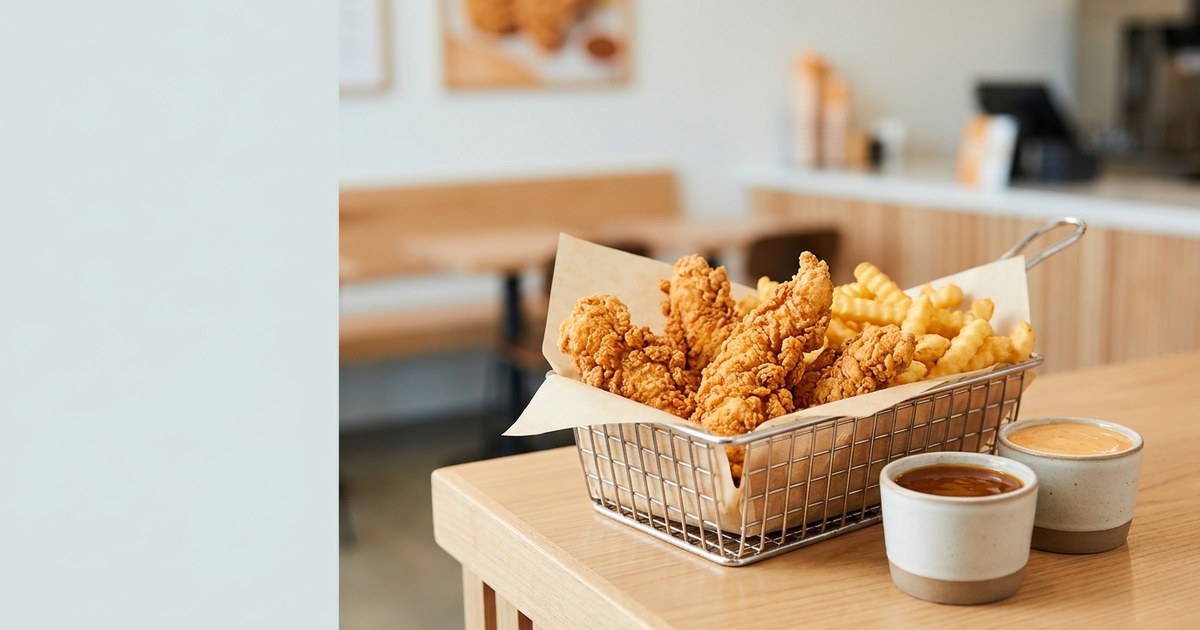
Hand-breaded chicken starts clean. Plain protein, your choice of coating or none at all, fried in oil that hasn't touched wheat. That's the difference between a kitchen that controls its supply chain and one that reheats what a distributor sends. Why hand-breading beats frozen fast-food chicken comes down to this: you see what goes into your food instead of trusting a factory.
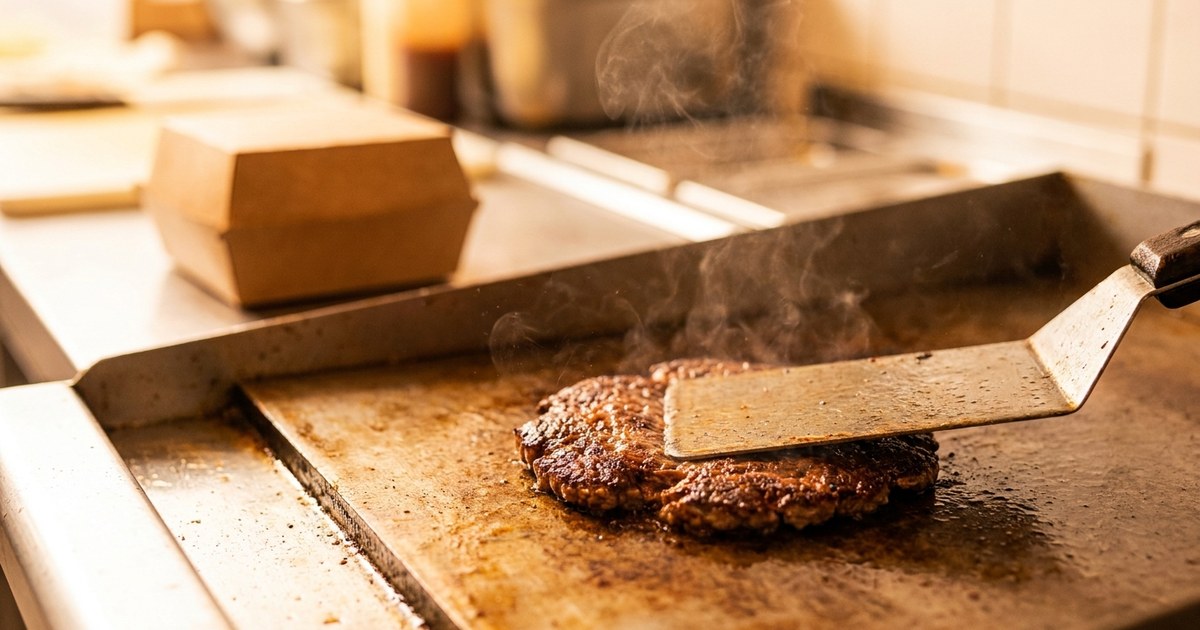
Fresh beef makes a difference for dietary transparency too. Frozen burger patties are pre-seasoned, often with fillers and binders that include gluten. Fresh-ground beef smashed on a clean flattop gives you a burger you can trust. Ask for no bun, no sauce, just meat and vegetables, and you have a meal with three ingredients you can name.
House-made sauces solve the mystery-ingredient problem. Store-bought dressings, mayo blends, and barbecue sauces list "spices" and "natural flavors" without defining them. When a kitchen makes its own Ya-Ya sauce or hot honey glaze, they can tell you it's mayo, honey, cayenne, and garlic. Nothing hidden. Quality ingredients prepared fresh every day mean ingredient visibility. No frozen gimmicks. No proprietary blends you can't decode.
Craft-focused fast-casual spots in Brick build menus around fresh prep and made-to-order execution. Every chicken cutlet hand-breaded. Every burger smashed fresh. All sauces made in-house. That's not a luxury. It's a baseline for anyone who needs to know what they're eating. The goal isn't just to drive first orders from search traffic. It's to convert content discovery into repeat visits by proving that dietary restrictions don't mean compromising on flavor or variety.

The chain alternative relies on frozen shortcuts because speed and consistency matter more than customization. Independent kitchens optimize for adaptability. That's why the guest searching for dietary accommodations in Brick finds better options outside the franchise model.
Gluten-Conscious Menu Options in Brick: What to Look For
Gluten-free doesn't mean salad-only. Brick's fast-casual scene offers variety if you know where to look, and the breadth of the menu matters when you're trying to find something everyone at the table will love.
Start with naturally gluten-free bases. Bowls and salads built on greens, rice, or quinoa give you a clean foundation before you add proteins and toppings. Ask about dressings. House-made vinaigrettes are usually safe. Creamy dressings may contain flour as a thickener. When the kitchen makes dressings from scratch, they can tell you exactly what's in the bottle.
Chicken sandwiches translate to gluten-friendly meals with the right swaps. Skip the bun or ask for a lettuce wrap. If the chicken is hand-breaded, request it grilled instead. You still get the protein, the sauce, the toppings. You lose the wheat, not the flavor. Where to find smash burgers in Brick that can be ordered bunless shows how a burger-forward menu works for gluten-conscious diners. Fresh-smashed beef on a bed of greens with pickles, onions, and your choice of sauce delivers the same experience as the sandwich version. Smash burgers are an under-served category locally compared to national chains that have no Brick location, so ownable search territory exists for independent spots willing to highlight dietary flexibility.
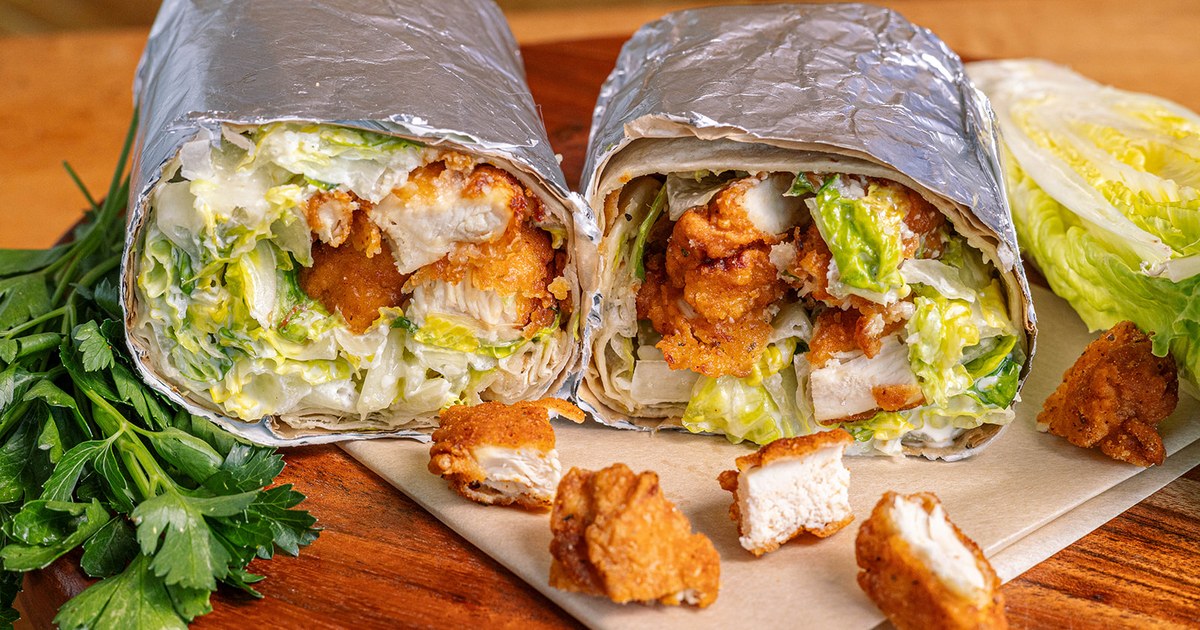
Wraps get tricky. Flour tortillas contain gluten. Some spots offer gluten-free wraps or corn tortillas as substitutes, but cross-contact during assembly is common if the kitchen uses the same cutting board or gloves for both. Turning a wrap into a bowl solves the problem. Same fillings, same toppings, no wheat.
Sides deserve scrutiny. Fries are naturally gluten-free if they're just potato, oil, and salt. Shared fryers contaminate them. Ask if the restaurant has a dedicated fryer for fries and other non-breaded items. If not, order a side salad or fresh-cut vegetables instead.
Loaded fries and specialty sides often hide gluten in toppings. Cheese sauce may use flour as a thickener. Bacon bits might be coated in wheat starch to prevent clumping. Ranch dressing, gravy, and barbecue sauce all carry gluten risk unless they're made in-house. When you see a menu with ten categories (chicken sandwiches, burgers, tenders, wings, gyros, wraps, bowls, fries, desserts, drinks), you're looking at a kitchen built for variety. That breadth means flexibility. A spot serving only three core items can't pivot when you need modifications.
Pickup and delivery options matter too. Transactional intent maps directly to an order click. When you can add special instructions during online checkout ("celiac, strict gluten-free, please use clean surfaces"), you've converted search intent into revenue without even walking through the door. Check our full menu with gluten-conscious swap options to see how a wide range of craving categories translates into real meal choices. You're not limited to plain grilled chicken and steamed broccoli. You get crispy proteins made your way, bold sauces you can verify, and sides that fit your needs.

The key is asking before you order. Menus list defaults, not possibilities. A kitchen that hand-preps food can adapt. A kitchen reheating frozen products cannot.
Fast-Casual vs. Chains: Where Brick Stands Out
National chains run on rigid protocols. Local fast-casual spots in Brick run on flexibility.
Corporate franchise restaurants follow centralized recipes developed in test kitchens thousands of miles away. Every location receives the same frozen products, the same sauce packets, the same assembly instructions. That consistency helps travelers know what to expect when they order a chicken sandwich in Phoenix or Brick. It also means zero room for customization. The district manager's operations manual doesn't include a section on gluten-free modifications because the supply chain can't support them.
Locally-owned restaurants control their own kitchens. They choose their suppliers. They write their own recipes. When you ask for a modification, the answer comes from the person running the line, not a compliance checklist printed in a binder. Family-owned restaurants in Brick don't optimize for scale. They optimize for loyalty. Repeat customers matter more than throughput metrics.
Brick's local food delivery scene includes independent spots that treat dietary accommodations as part of the service model, not an inconvenience. The guest who searches for gluten-friendly restaurants in Brick is highly motivated and typically brings a group. Winning that diner wins the whole table. A family of four where one person needs gluten-free options doesn't split up. They eat together at the spot that says yes. Building search authority across every craving category in Brick means capturing multi-category intent: the person searching for "where to eat in Brick" or "fast-casual dining near me" isn't locked into one menu item. They're looking for a spot that works for everyone.
Chains rely on speed. Local spots rely on craft. Speed prioritizes frozen shortcuts: pre-battered chicken, pre-formed patties, shelf-stable sauces. Craft prioritizes fresh ingredients and made-to-order execution. When your dietary restriction requires ingredient transparency, craft wins every time.
Consider the competitive landscape. Big-name chicken chains and smash-burger franchises have national brand recognition but no Brick location. They can't deliver to your neighborhood. The local alternative offers proximity, customization, and a menu built by people who live in the same community you do. That's the Shore local authority advantage: rooted in Brick, responsive to Brick, built for the people who call Ocean County home.
Independent kitchens also adapt faster. When a guest requests a modification that works, it goes on the unofficial menu. Chains need corporate approval to add a gluten-free bun to the supply order. Local spots source it from a regional distributor the same week. That agility matters when dietary needs evolve or when you discover a combination that works for your restrictions.
The craft-over-chains positioning isn't about snobbery. It's about capability. Hand-prepared food gives you options frozen food doesn't. Community ownership gives you flexibility corporate protocols can't. For the diner managing celiac disease or gluten sensitivity, that difference is everything.
How to Order Gluten-Friendly at a Fast-Casual Restaurant
Ordering gluten-free takes more than selecting the right menu item. You need to communicate your needs clearly and verify they're honored.
Start with the channel. Online ordering platforms like Clover, DoorDash, Uber Eats, and Grubhub include an "Allergies/Special Instructions" field. Use it. Write "celiac disease, strict gluten-free, please use clean surfaces and separate utensils" instead of just "no bun." Specificity gets attention. For dine-in or phone orders, speak directly to the person taking your order. Don't assume they'll relay your request accurately to the kitchen. Ask to speak to a manager or the person running the line if the cashier seems unsure.
How to add special instructions when ordering online in Brick ensures your modifications make it from the app to the kitchen. Most platforms let you type free-form notes. Use them. Include your primary restriction (gluten-free), the reason (celiac, not preference), and the specific changes you need (no breading, bunless, sauce on the side). Pickup and delivery represent the highest revenue leverage because transactional intent maps directly to an order click. When the special-instructions process works smoothly, you convert from researcher to repeat customer in one transaction.
When you order in person, phrase your questions to get actionable answers. Don't ask "Is this gluten-free?" Ask "What's in the breading on this chicken?" or "Is the fryer shared with breaded items?" A yes-or-no question invites guessing. An ingredient question forces the server to check or admit they don't know.
Verify before you eat. When your food arrives, look for signs your request was followed. If you ordered grilled chicken and it arrives with breading, send it back. If you requested no bun and it's wrapped in a tortilla, speak up. Mistakes happen. Catching them before you eat protects you from a reaction.
Build rapport with the kitchen. If you find a spot that handles your dietary needs well, become a regular. Tell them what worked. The staff will remember you. Repeat visits create trust. The line cook who made your bunless burger perfectly last week will do it again this week because they know you're coming back.
Ask about prep timing. Some kitchens batch-cook proteins and hold them under heat lamps. If your chicken sat on a surface with breaded tenders, it's contaminated. Request fresh-cooked when possible. Hand-prepared kitchens cook to order anyway, so timing isn't an issue. Reheating operations can't accommodate the request.
Don't apologize for your restrictions. You're a paying customer with a medical need. Restaurants that make you feel like a burden don't deserve your business. The ones that treat dietary accommodations as standard service do.
Other Dietary Accommodations to Ask About
Gluten isn't the only restriction worth discussing. Many gluten-conscious diners manage multiple sensitivities or eat with people who do.
Dairy-free requests overlap heavily with gluten-free needs. Cheese, butter, and cream appear in sauces, dressings, and toppings. House-made sauces list ingredients you can verify. Pre-made sauces don't. When a kitchen makes its own ranch, buffalo sauce, or garlic aioli, they can tell you if it contains dairy. When they squeeze it from a bottle labeled "proprietary blend," they can't.
Why hand-breaded chicken gives you ingredient control extends to other allergens too. Egg wash appears in most breading processes. Soy derivatives hide in seasoning blends. If the kitchen hand-breads in-house, you can ask them to skip the egg or use an alternative coating. If the chicken arrives pre-battered from a supplier, you're stuck with whatever the manufacturer included.
Nut allergies require the same level of transparency. Some restaurants use peanut oil for frying. Others cook with sesame oil or add cashews to sauces for texture. Cross-contact during prep introduces allergens even when the final dish doesn't list them. Ask if the kitchen uses nut-based ingredients anywhere on the menu. Shared equipment matters.
Vegetarian and vegan modifications work best when the kitchen preps vegetables and proteins separately. A burger patty that shares a grill with bacon picks up meat residue. Fries cooked in the same oil as chicken tenders aren't vegetarian by strict definitions. Dedicated equipment or fresh surfaces solve the problem.
The FDA requires restaurants to disclose major allergens (milk, eggs, fish, shellfish, tree nuts, peanuts, wheat, soybeans) when they appear in menu items. That disclosure obligation applies to packaged foods more strictly than restaurant meals, but conscientious kitchens follow the same standard. If a restaurant claims everything is allergen-free without listing specifics, they're either ignorant or lying.
Low-FODMAP diets, autoimmune protocol restrictions, and other specialized eating plans benefit from the same ingredient transparency gluten-free diners need. When a kitchen controls its supply chain and preps food from whole ingredients, it can accommodate requests outside the mainstream. When it relies on frozen, pre-made items, it can't.
Ask about cooking oils. Many gluten-sensitive people also react to seed oils or prefer animal fats. Restaurants frying in canola, soybean, or corn oil can't easily swap to tallow or lard, but knowing what they use helps you decide if it fits your needs.
Cross-reactivity between gluten and other proteins (dairy, corn, oats) affects some people with celiac disease. If you react to multiple grains or proteins, communicate that. A kitchen that understands cross-contamination for gluten will understand it for other triggers too.
What to Expect When You Visit a Gluten-Conscious Kitchen in Brick
Good service starts with listening. Great service asks follow-up questions.
When you mention a dietary restriction, watch how the staff responds. A well-trained team doesn't brush you off with "we have gluten-free options" and move on. They ask why you're avoiding gluten (celiac vs. preference changes how seriously they take cross-contamination), what level of sensitivity you have, and which menu items interest you. They volunteer information about shared equipment and ingredient sources. They offer to speak with the kitchen directly if they don't know an answer.
Red flags appear when servers guess instead of checking. "I think that's gluten-free" isn't good enough. "Let me confirm with the chef" is the right response. If a server promises modifications without verifying the kitchen can deliver them, your food arrives wrong and you've wasted time and money.
Transparency about limitations earns trust. A restaurant that says "we can't guarantee zero cross-contact because we share fryers, but we can make you a bunless burger on a clean surface with fresh gloves" gives you enough information to decide. A restaurant that promises "everything can be made gluten-free" without explaining how is lying or doesn't understand the risks.
Hospitality means treating dietary accommodations as normal, not special. You shouldn't feel like a burden for asking questions. The kitchen shouldn't act annoyed when you request modifications. Every guest deserves to be treated like one of their own, whether they order the menu as written or customize every element. Family-friendly restaurants in Brick understand that groups dining together often include guests with different dietary needs, and the kitchen that handles modifications gracefully wins everyone's loyalty.
What makes a great chicken sandwich in Brick applies to gluten-conscious diners too. Crispy coating you can verify, bold sauce you can trust, fresh toppings you can see. When the kitchen hand-preps food to order, you get quality and safety in the same meal.
Expect speed without shortcuts. Fast-casual means your food arrives in minutes, not hours. It doesn't mean frozen reheating or assembly-line prep with no room for changes. A kitchen built for made-to-order execution handles custom requests as part of the workflow, not an exception.

Visit during slower hours if possible. Lunch and dinner rushes push kitchens to prioritize speed over precision. Mid-afternoon or late evening orders give staff more time to execute modifications carefully. If you're testing a new spot, start with a simple order (plain protein, one or two toppings) to see how they handle it before requesting complex customizations.
Ask about manager availability. In family-owned spots, the owner or kitchen manager often works the line during peak times. They have final say on modifications and take pride in getting them right. Establishing a direct relationship with the person running the kitchen builds trust and improves your experience on future visits.
Bring a backup plan. Even the most gluten-conscious restaurant can make a mistake. If you're highly sensitive, carry a safe snack in case your order arrives wrong and you can't eat it. That preparation reduces stress and lets you advocate for yourself without feeling desperate.
The best gluten-conscious kitchens in Brick don't advertise their protocols on a laminated allergen menu. They demonstrate them every time you order. Fresh ingredients, transparent processes, and staff who care enough to get it right: those are the markers that matter.
Ready to Eat Confidently in Brick?
Finding gluten-friendly restaurants in Brick isn't about settling for limited options. It's about choosing spots where hand-prepared food, ingredient transparency, and genuine hospitality meet.
Kitchens that hand-bread chicken, smash burgers to order, and make sauces from scratch give you control over what you eat. Staff trained to take dietary restrictions seriously answer your questions honestly and verify modifications before your food leaves the line. Local fast-casual spots built on craft and community adapt to your needs instead of forcing you into rigid menus designed a thousand miles away.
You deserve to eat out without interrogating servers or risking a reaction. You deserve to bring your family or friends to a spot where everyone finds something they love. You deserve transparency, flexibility, and food that tastes as good as it is safe.
Brick's dining scene offers variety beyond chains and frozen shortcuts. Hand-prepared proteins, house-made sauces, and made-to-order execution aren't luxuries. They're the baseline for anyone who needs to know exactly what's in their meal.
Browse our gluten-friendly menu options to see every craving category we cover, from crispy chicken sandwiches to smash burgers, loaded fries to fresh bowls. Check out our full menu and order now to explore gluten-conscious options built for every craving. Order online with custom instructions, call ahead to discuss modifications, or visit in person and let the kitchen show you what fresh, transparent fast-casual food looks like. Come hungry. Leave confident.