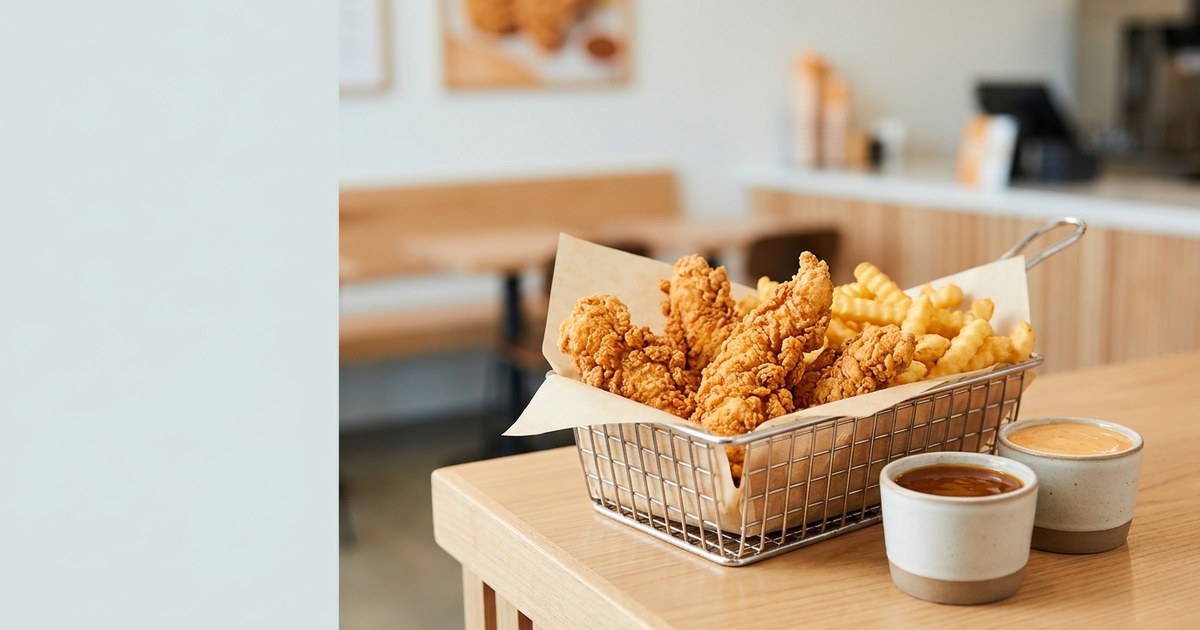
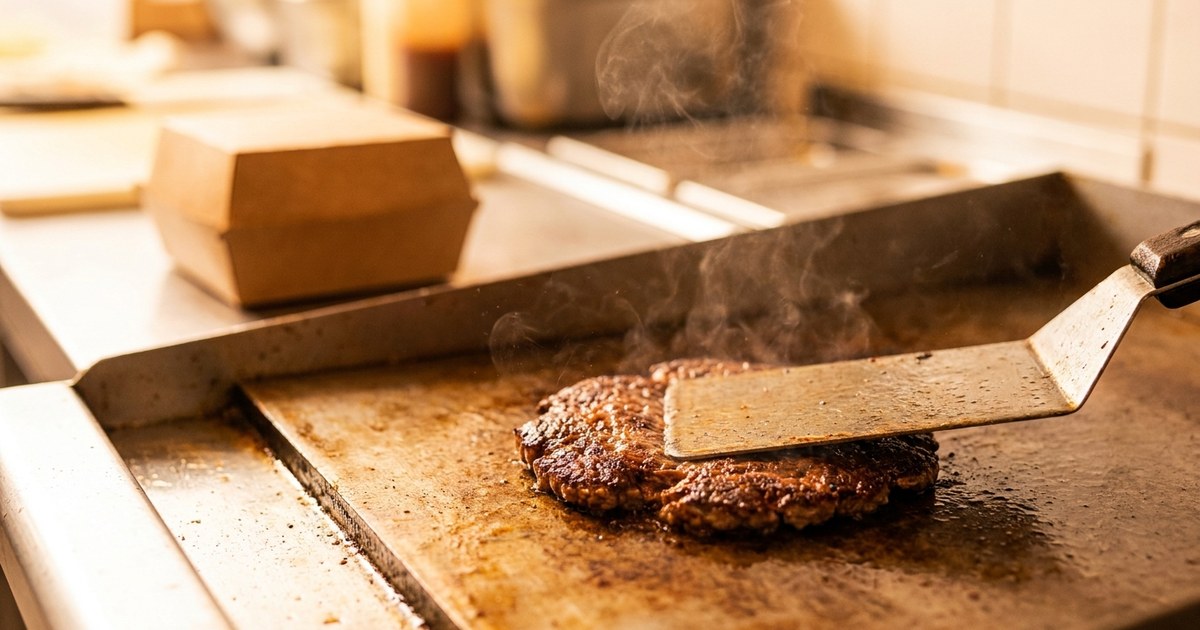
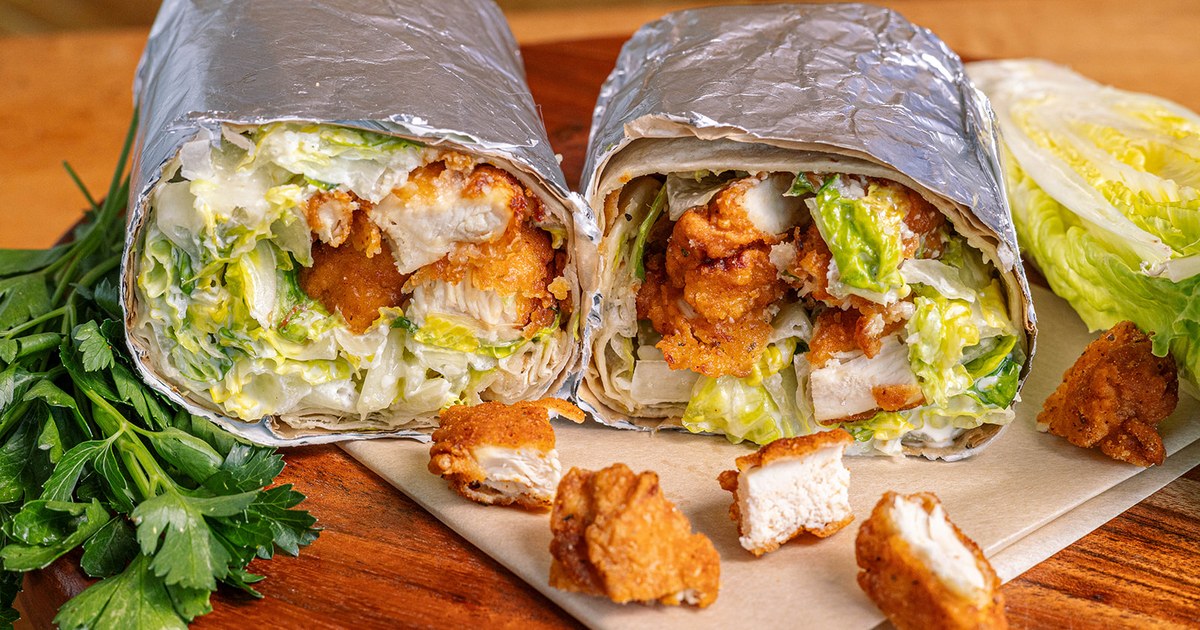
What is fast casual dining, and why does it matter in Brick Township? Fast casual dining sits between fast food and full-service restaurants, offering made-to-order meals with quality ingredients at counter-service speed. The difference isn't just the menu board; it's whether the chicken is hand-breaded that morning, the burgers smashed fresh on the griddle, and the sauces made in-house. In Brick Township, the fast-casual landscape has shifted toward chains that promise craft but deliver frozen shortcuts. True fast casual means no compromises: real recipes, real prep, real flavor.
You've heard it before: "fresh ingredients," "made-to-order," "quality you can taste." Every chain says it. Most don't deliver. The frozen patties arrive in shrink-wrap. The breading comes pre-mixed from a factory line. The sauces are bottled six months ago in some industrial park three states over. That's not fast casual. That's fast food with a higher price tag and better lighting.
Hand-breaded chicken sandwiches represent the fundamental difference. Real fast casual is about speed without shortcuts. Quality that doesn't ask you to wait 40 minutes or pay sit-down prices. Ingredients you'd recognize in your own kitchen, cooked the way you'd cook them if you had the time. This piece breaks down what that actually means: the operational tells that separate craft from theater, the buyer's guide to spotting real quality, and why the local landscape in Brick Township desperately needs operators who deliver on the promise instead of the marketing.
By Buzz Bird
What Fast Casual Dining Actually Means
The full Buzz Bird menu demonstrates the core promise: food that's made fresh when you order it, served fast, without asking you to compromise on ingredients or flavor. That's the fast-casual segment in three sentences. It emerged in the late 1990s and early 2000s as a middle ground between quick-service restaurants (QSR, traditional fast food) and full-service dining. You order at a counter. Your food arrives in under ten minutes. But the chicken isn't reheated from a heat lamp; it's breaded and fried to order. The burger isn't a frozen puck; it's fresh beef smashed on a griddle in front of you.
Fast casual grew explosively after the 2008 recession, when consumers wanted quality but couldn't justify $30 sit-down entrees multiple times a week. According to Datassential's analysis of the Top 500 restaurants, the segment came out of the COVID pandemic relatively unscathed while full-service struggled. The business model built on convenience and value resonated when speed and safety mattered most. That momentum hasn't slowed. Limited-service models with quality ingredients now dominate consumer preference across demographics.
The category definition is clear: counter-service ordering, higher ingredient quality than QSR, customizable menus, price points between $10 and $16 per person, no table service. You pick up your own food. You bus your own tray. But you're not eating reheated factory outputs. The kitchen is prepping proteins that morning. The sauces are house-made in batches. The vegetables are chopped fresh. That operational difference is what justifies the $4 to $6 premium over a drive-thru chain.
The gap between promise and reality is where the category loses trust. When a "fast-casual" concept advertises "handcrafted" but serves frozen pre-breaded tenders identical to a grocery-store bag, the segment takes a credibility hit. When the menu claims "fresh ingredients" but the beef arrives vacuum-sealed in portion-controlled discs, consumers notice. The brands that win this space are the ones where you can see the prep, ask about the sourcing, and taste the difference in every bite.
The Three Pillars of Real Fast Casual
Strip away the marketing and three operational pillars separate authentic fast casual from chains playing dress-up:
Pillar one: ingredients prepped fresh daily, on-site. That means chicken breasts hand-breaded the morning of service, not pulled from a freezer bag. Burger patties formed from fresh ground beef, not thawed from plastic-wrapped pucks. Vegetables chopped in-house, sauces mixed in batches that same day. You can verify this by asking kitchen staff what time prep starts. If the answer is "we get shipments three times a week and everything's ready to cook," you're eating reheated fast food with counter service.
What Are Smash Burgers and Why They're Better Fresh breaks down the chemistry: fresh beef has moisture that hits the griddle and creates steam, which lifts proteins away from the surface while the Maillard reaction builds crust. Frozen patties don't have that moisture gradient. They brown unevenly and end up rubbery. The difference is structural, not subjective.
Pillar two: menu customization without assembly-line constraints. Real fast casual lets you swap sauces, add toppings, adjust heat levels, build combinations that aren't on the printed menu. That flexibility only works when the kitchen operates on made-to-order principles instead of pre-packaged portion control. If the staff tells you "we can't change that" when you ask for extra pickles or a different sauce, the operation is optimized for throughput, not customization.
Pillar three: transparent sourcing and cooking methods. Open kitchens. Menu descriptions that name the prep technique ("hand-breaded," "smashed fresh," "house-made"). Visible griddles, fryers, and prep stations. If you can't see how the food is cooked or the staff can't tell you where the chicken comes from, the brand is hiding shortcuts. Transparency signals confidence. Mystery signals industrial processes they'd rather you not think about.
Brick Township has no shortage of spots claiming fast-casual status. The town supports a dense restaurant ecosystem. But density isn't the same as diversity. Most of the "fast casual" options in the area are national chains running the same frozen playbook with regional branding. The gap for operators who actually deliver on the three pillars is wide open.
Why Fresh-Made Beats Frozen Every Time
The fast-casual promise hinges on fresh-made ingredients. Not "never frozen" as a technicality. Not "fresh-frozen at the source." Fresh: prepped that morning, cooked to order, ingredients you'd find in a home kitchen. The operational gap between fresh and frozen isn't about marketing. It's chemistry, structure, and flavor.
Start with chicken. Hand-breaded chicken sandwiches crisp differently than frozen pre-breaded cutlets because the breading stays loose and craggy when it's applied fresh. At Buzz Bird, we hand-bread every chicken cutlet the morning of service. That breading has texture: peaks, valleys, uneven surfaces. When it hits hot oil, those craggy surfaces create more contact points for Maillard browning and more pockets for sauce to cling to. Frozen pre-breaded chicken flattens out under heat because the breading was applied weeks ago, compressed during freezing, and locked into a uniform shell. It browns evenly but never shatters. It holds sauce on the surface instead of trapping it in texture. The difference is immediate on the first bite.
Burgers follow the same logic. Fresh ground beef has intramuscular moisture that frozen patties lose during the freeze-thaw cycle. When you smash fresh beef onto a screaming-hot griddle, that moisture hits the surface as steam, which lifts proteins away from the metal while the exterior caramelizes through the Maillard reaction. The result is a crisp, lacy crust with a juicy interior. Frozen patties don't generate that steam gradient. They thaw unevenly on the griddle, release liquid instead of steam, and brown without developing crust complexity. The science is documented across food labs and culinary literature. Fresh beef smashes better because the moisture is still locked in the muscle fibers, not leached out during freezing.
Sauces amplify the gap. House-made sauces use fresh citrus juice, real garlic, spices ground that week. Bottled sauces stabilize for shelf life: more sodium, more preservatives, less volatile aromatic compounds. A house-made hot honey tastes bright and floral because the honey hasn't been heat-pasteurized into syrup and the chili peppers were infused days ago, not months. A bottled version tastes flat because the aromatics degraded in the bottle. Freshness isn't a buzzword. It's the difference between ingredients at their peak and ingredients engineered to survive logistics.
The economic argument follows the taste argument. Fresh-made costs more in labor. Someone has to hand-bread 200 chicken cutlets every morning instead of pulling a case from the freezer. But frozen ingredients cost more in quality debt. Customers notice. They pay $14 for a sandwich that tastes like a $7 chain product, and they don't come back. Fresh-made earns the premium because the result justifies the price. Frozen-made alienates the exact customer base that chose fast casual over fast food in the first place.
Real fast casual commits to fresh-made as an operational mandate, not a marketing claim. That commitment shows up in prep schedules, supplier relationships, and kitchen workflows. It's the single largest differentiator between operators who survive on volume and operators who build loyalty.

Fast Casual vs. Fast Food: The Real Differences
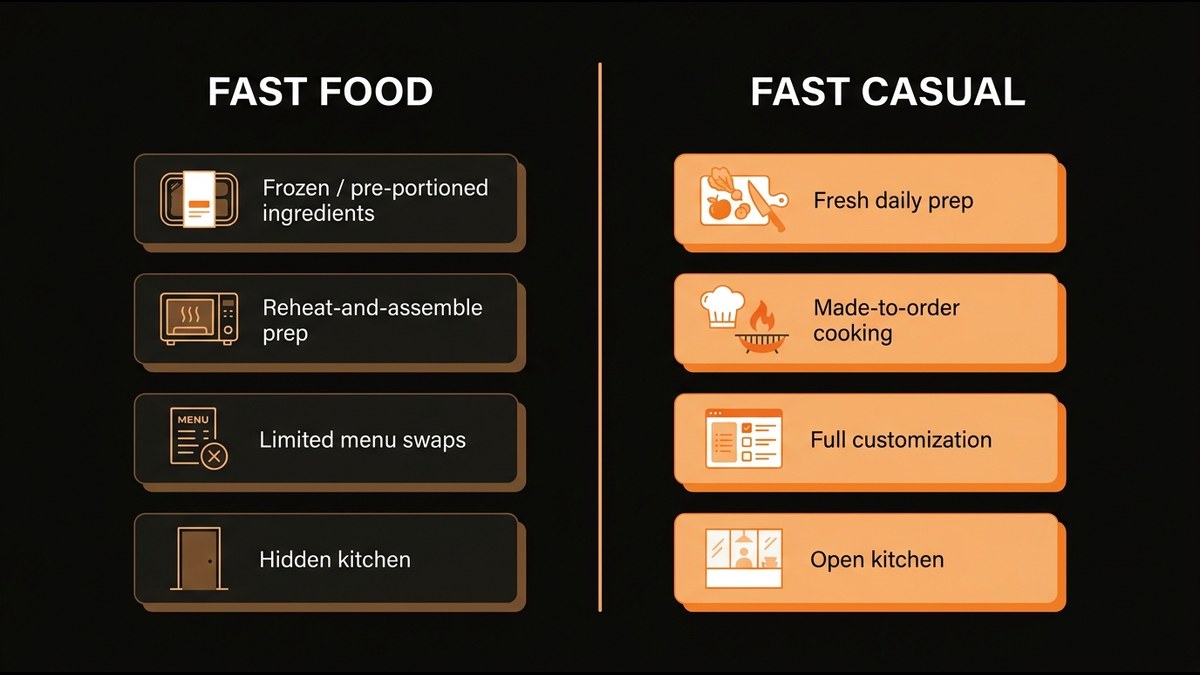
Speed is the same. You order, you pay, you wait five to ten minutes, you pick up your food at the counter. That's true at a QSR drive-thru and a fast-casual counter. The convergence stops there.
Ingredient quality: QSR chains optimize for consistency and shelf stability. Proteins arrive frozen, pre-portioned, and pre-seasoned. Breading is applied at a central commissary weeks before it reaches the store. Sauces are bottled and shipped in bulk. Fast casual operators source fresh proteins, prep breading and marinades in-house, and make sauces in small batches. The supply chain is shorter. The ingredient list is simpler. You can pronounce everything on the label.
Price: QSR checks average $6 to $10 per person. Fast casual checks average $10 to $16. That $4 to $6 gap pays for fresh ingredients, on-site prep labor, and higher-quality packaging. If a "fast casual" spot charges QSR prices, the ingredients are QSR-grade with better branding.
Customization: QSR menus are built for speed and portion control. You can swap a sauce or add cheese, but the core build is locked. Fast casual menus encourage customization. Build your own bowl. Pick your protein. Choose from ten house-made sauces. The kitchen workflow supports variability because orders are made fresh, not assembled from pre-built components.
Transparency: QSR kitchens are hidden. You order through a speaker or a kiosk, and food appears through a window. Fast casual kitchens are open or semi-open. You see the griddle, the fryer, the prep station. Staff can tell you how the chicken is cooked and where the beef comes from. Transparency builds trust. Opacity raises questions.
The overlap exists because some QSR chains are trying to move upmarket with "premium" lines (hand-breaded chicken, Angus beef, craft sauces), and some fast-casual chains are cutting costs with frozen shortcuts to expand margins. The category lines blur when operators prioritize branding over operations. The tell is always the prep method. If you can't watch your burger get smashed or your chicken get breaded, you're eating reheated fast food at fast-casual prices.
What to Look for in a Fast Casual Restaurant
You walk into a spot that claims fast casual. The menu promises "handcrafted" and "fresh." The price is $13 for a sandwich. How do you know if it's real or theater? Five operational tells separate operators who deliver from operators who brand.
Tell one: open kitchen or visible prep. If you can see the griddle, the fryer, and the prep station from the counter, the restaurant has nothing to hide. Closed kitchens signal batch cooking, reheating, or assembly from pre-made components. Open kitchens signal confidence. Watch for a minute. Do you see staff breading chicken, smashing burgers, chopping vegetables? Or do you see them pulling bags from a freezer and dropping pre-formed items into oil?
Tell two: menu describes the cooking method. Real fast casual menus name the craft: "hand-breaded," "smashed fresh," "house-made," "marinated overnight." Generic menus say "crispy chicken sandwich" without telling you how it got crispy. If the description doesn't explain the prep, the prep probably isn't worth explaining.
Tell three: sauce variety that isn't just heat levels. QSR chains offer mild, medium, hot (heat gradients of the same base sauce). Fast casual operators make multiple sauces with distinct flavor profiles: hot honey, garlic aioli, chipotle ranch, kung fu glaze, tangy barbecue, creamy za'atar. Sauce variety signals kitchen capability. If the spot only has three sauces and they're all variations on buffalo, the kitchen isn't making anything from scratch.
Tell four: daily prep schedule vs. reheat model. Ask the staff what time prep starts. If the answer is "everything's ready when we open," the food was prepped yesterday or shipped pre-made. If the answer is "we start breading chicken at 9 a.m. and the first batch is ready at 10:30," the operation is cooking fresh. Real fast casual has a visible prep rhythm. Reheated fast food doesn't.
Tell five: family-owned vs. franchise operation. Family-owned operators stake their reputation on every plate. They're in the kitchen. They tweak recipes. They respond to feedback. Franchise operators follow a corporate playbook designed to minimize variance and maximize throughput. That playbook deprioritizes craft in favor of consistency. Not every franchise is bad. Not every family-owned spot is great. But family ownership correlates with operational flexibility and recipe iteration in ways that franchise systems can't match.
Use these five tells as a checklist. A spot that passes all five is delivering real fast casual. A spot that fails three or more is fast food with counter service.
The Fast Casual Landscape in Brick Township
Brick Township sits in Ocean County, New Jersey, a mile from the shore. The population is stable year-round but swells in summer with beach traffic. The dining scene reflects that duality: national chains anchoring strip malls along Route 70 and Route 88, local operators clustered near the beach, and a handful of family-owned spots serving year-round residents. The family behind Buzz Bird recognized that gap when they opened: the market had plenty of chain options and zero craft-focused fast casual with the operational discipline to serve both tourists and locals without compromise.
The chain presence is dense. Chipotle, Panera, Shake Shack, Five Guys: all the usual suspects have Brick Township locations. They deliver on the fast-casual speed promise. They fail on the craft promise. The chicken is frozen. The beef is pre-formed. The sauces are bottled. Consistency is the value prop, not quality. For a national chain optimizing for 2,000 locations, that tradeoff makes sense. For a local operator competing on flavor and transparency, it's an opportunity.
The independent landscape is thinner. Brick has family-owned pizzerias, diners, and sit-down Italian spots. But few operators occupy the fast-casual counter-service model with fresh-made commitments. The market gap is structural: residents want speed and quality, tourists want something better than boardwalk fried food, and no one was delivering both at the $12 to $16 price point with verifiable craft credentials. That's the lane Buzz Bird carved out.
Local dining density supports experimentation. According to Wanderlog's curated list of the best family restaurants in Brick, the town has enough population and traffic to sustain multiple concepts in the same category. But fast casual dining requires operational maturity and thoughtful resource management that most startups lack. Family-owned operators with decades of recipe development and supplier relationships have an edge. They're not learning how to run a kitchen while scaling a brand. They're translating proven recipes into a fast-casual format built for volume without shortcuts.
The Shore market rewards authenticity. Locals know when a spot is cutting corners. Tourists come back annually and notice when quality slips. Both audiences value transparency, bold flavor, and family ownership. A fast-casual operator who hits all three can dominate the category regionally because the competition is either too corporate or too inconsistent.
How Buzz Bird Delivers on the Fast Casual Promise
We didn't open a restaurant to fill a market gap. We opened because three brothers grew up cooking together, perfecting family recipes, and arguing about the best way to fry chicken. When we mapped that obsession onto a fast-casual model, the operational mandate was clear: no frozen gimmicks, no bottled sauces, no compromises. Every chicken cutlet is hand-breaded the morning of service. Every burger is smashed fresh on the griddle. Every sauce is mixed in-house in batches small enough that we can tweak the recipe between prep days.
The kitchen operates on a daily prep cycle. We start breading chicken at 9 a.m. Burger patties are formed from fresh ground beef delivered three times a week. Vegetables are chopped that morning. Sauces are mixed in five-gallon batches and labeled with prep dates. If an ingredient sits longer than three days, it doesn't go on a plate. That rhythm costs more in labor than pulling frozen products from a walk-in. It's also the only way to deliver the flavor intensity and texture contrast that separates craft from convenience.
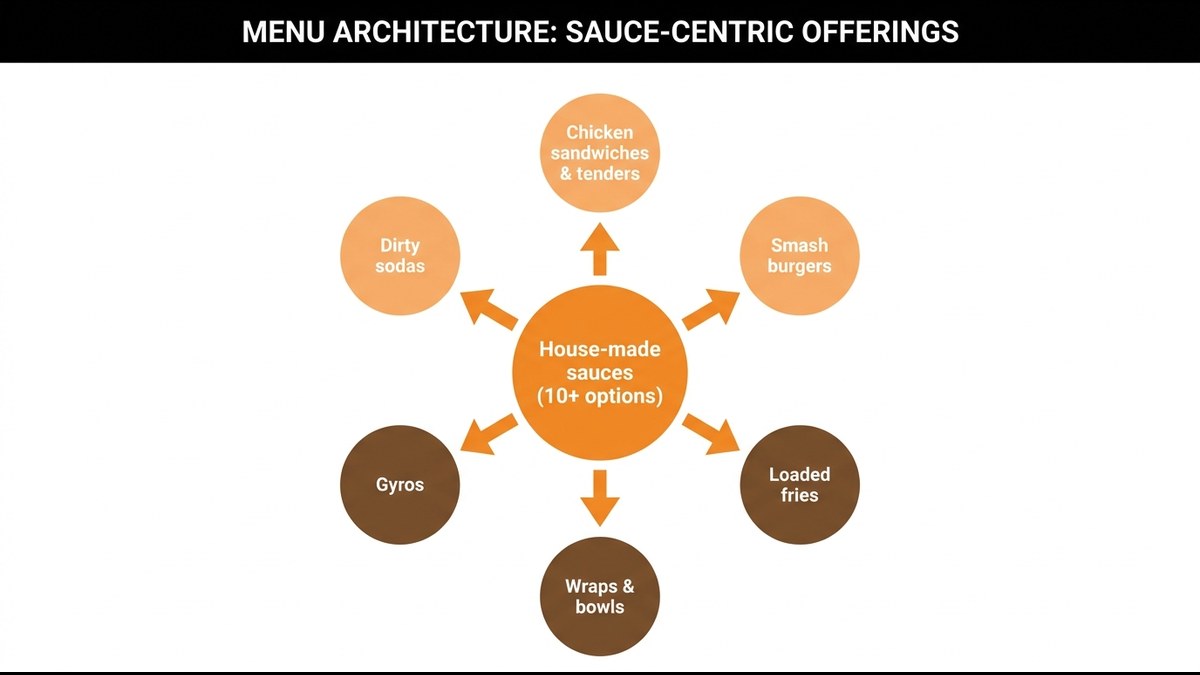
Menu breadth without compromise is the operational challenge every fast-casual operator faces. Buzz Bird serves chicken sandwiches in Brick, NJ, tenders, wings, smash burgers in Brick Township, gyros, loaded fries, wraps, bowls, and dirty sodas. That's ten protein categories and fifteen sauce pairings. Most kitchens can't handle that range without sacrificing quality somewhere. We built the menu around shared prep techniques: everything breaded uses the same hand-breading station, everything griddled uses the same smash-burger workflow, everything sauced pulls from the same house-made inventory. The kitchen scales horizontally without adding complexity vertically.
Speed is non-negotiable. Average ticket time from order to pickup is seven minutes. Peak-hour ticket time is nine minutes. We hit those numbers because the prep is done before service starts and the cooking is optimized for fast-casual throughput. Hand-breading takes time. Frying a breaded cutlet takes four minutes. But the breading happens at 9 a.m., not when you order. When your ticket prints, the kitchen is executing, not prepping.
Family ownership shows up in recipe iteration. One brother handles the chicken program. Another runs the burger and gyro program. The third manages sauces and specials. When a customer suggests a menu tweak or a sauce combination we hadn't thought of, we test it the next day. When a supplier offers a seasonal ingredient, we build a limited-time item around it. Corporate fast casual can't move that fast because decisions route through regional managers and brand committees. Family-owned operators change the menu in real time because the decision-makers are in the kitchen.
Menu Variety Without Compromise
Fast casual earns loyalty when one spot covers multiple cravings without sacrificing quality in any category. You want crispy chicken today, a smash burger tomorrow, loaded fries on Friday. If every category delivers, you stop thinking about where else to go. If one category disappoints, you start rotating other spots back into the lineup.
Buzz Bird's menu breadth is intentional. Chicken sandwiches anchor the lineup: hand-breaded, fried crispy, sauced with ten house-made options. Smash burgers deliver the caramelized-crust payoff that only fresh beef can create. Tenders and wings hit the snackable-shareable lane. Gyros bring Mediterranean spice without the sit-down wait. Loaded fries turn a side into an entree. Wraps and bowls cover the lighter-but-still-satisfying segment. Dirty sodas (cream, syrup, flavor shots mixed into soda) close the loop on beverage customization.
Every category uses the same operational principles: fresh ingredients, daily prep, house-made sauces, no reheating. The chicken program doesn't get more attention than the burger program. The fries aren't an afterthought. Menu variety only works when every item can stand alone as a reason to visit. Compromise in one category undermines trust in the whole menu.
Customization scales the variety. Pick your protein. Pick your sauce. Add toppings. Build combinations that aren't on the menu board. The kitchen handles variability because the workflow is modular: proteins cook the same way regardless of the final build, sauces live in squeeze bottles ready to deploy, toppings are prepped in bulk every morning. You're not asking the kitchen to invent a new dish. You're asking them to assemble components they've already mastered.
Our take on dirty sodas reflects the same philosophy: take a trend, execute it with house-made syrups and fresh cream, offer enough combinations that every visit feels different. Beverage customization is low-stakes experimentation. If a guest orders a dirty Dr Pepper with vanilla cream and coconut syrup and loves it, they'll try a new chicken-sandwich build next time. Menu variety creates permission to explore.
Breadth without compromise is the sustainable moat. Chains can copy one menu category. They can't copy ten categories all operating at craft-level quality without restructuring their entire supply chain and labor model. Family-owned operators who nail this balance own their local market because the customer has no reason to go anywhere else.
Ordering Made Easy: Dine-In, Pickup, Delivery
Fast casual wins when convenience matches quality. You want the food. You don't want friction. Buzz Bird runs three ordering channels designed to meet you where you are: dine-in counter service, online ordering for pickup, and third-party delivery through DoorDash, Uber Eats, and Grubhub.
Dine-in is the baseline. Walk in, order at the counter, pick up your food at the counter seven minutes later, eat in the dining room or take it to go. No reservations. No wait staff. No tips. You're paying for food and speed, not service overhead.
Online ordering through the Clover system eliminates the counter interaction. Order from your phone, pay online, get a pickup time, walk in and grab your bag from the pickup shelf. The kitchen sees the ticket the second you submit it. Prep starts immediately. By the time you drive over, the food is bagged and ready. No line. No wait.
Third-party delivery expands the radius. Order through DoorDash, Uber Eats, or Grubhub, and the food arrives within 30 to 40 minutes depending on distance. Packaging is optimized for travel: sandwiches wrapped tight to retain heat, fries in vented containers to prevent steam buildup, sauces in sealed cups. The delivery experience mirrors the dine-in experience in outcome: hot, crispy food that tastes the way it's supposed to.
Speed and quality and convenience form a three-legged value proposition. If you compromise any leg, the stool tips. Chains optimize for speed and convenience but sacrifice quality with frozen shortcuts. Sit-down restaurants optimize for quality and ambiance but sacrifice speed. Fast casual (done right) delivers all three without asking you to choose.
Conclusion
Fast casual dining in Brick Township has a credibility problem. Every chain says "fresh" and "handcrafted." Most deliver frozen proteins, bottled sauces, and reheated mediocrity at a premium. The gap between promise and reality is where the category loses trust, and where operators who actually deliver on the craft mandate can dominate.
Real fast casual means fresh ingredients prepped daily, transparent cooking methods, house-made sauces, and menu customization without assembly-line constraints. It means you can see the chicken get breaded and the burger get smashed. It means the staff can tell you when prep started and where the beef comes from. It means the $14 sandwich tastes different (better) than the $8 chain version because the ingredients, the process, and the operational philosophy are fundamentally different.
Buzz Bird built a business on that difference. Three brothers, generations of family recipes, a kitchen that starts hand-breading chicken at 9 a.m. every day, and a menu that covers every craving without compromise. We didn't open a restaurant to play the fast-casual branding game. We opened because we knew how to cook and we were tired of watching chains pretend frozen gimmicks were craft.
Quality over speed isn't a tradeoff. It's a mandate. Speed without quality is fast food. Quality without speed is a sit-down restaurant. The sweet spot (fresh-made, bold-flavored, fast-served food that earns the premium and builds loyalty) is where Buzz Bird lives.
Ready to taste the difference? Browse the full Buzz Bird menu and order online for pickup or delivery. Hand-breaded chicken, smashed burgers, house-made sauces, and zero compromises. See what real fast casual dining in Brick Township looks like.